
Hormone Replacement Therapy in Naples, FL
Tested first. Then treated.
Hormone replacement therapy in Naples, FL from Optimal Wellness Naples, rated 5.0 on Google from 540+ reviews, with every program supervised by our medical director, Victor Cruz, MD. Nothing's prescribed until your practitioner has read your lab panel with you.
- Lab panel first
- Physician-supervised
- For women and men
- Free consultation

Worth a closer look.
Fatigue, poor sleep, low libido and mood changes often get put down to age. Sometimes the cause is hormonal, and that's measurable. They can also point somewhere else entirely, which is exactly why the panel comes first.
How you feel
The symptoms patients most often arrive with.
- Fatigue that rest doesn't fix
- Low libido
- Sleep that isn't restorative anymore
What your body is doing
Physical changes that can come with an imbalance.
- Unexplained weight gain or weight loss
- Constipation
What your labs may show
Findings your practitioner reviews alongside your symptoms. Start with our wellness labs.
- Thyroid markers outside range
- Low testosterone
- Shifts through perimenopause and menopause
Many of these have other causes
Plenty of them aren't hormonal at all. If you've got a racing heartbeat, numbness or low mood, talk to your doctor first.

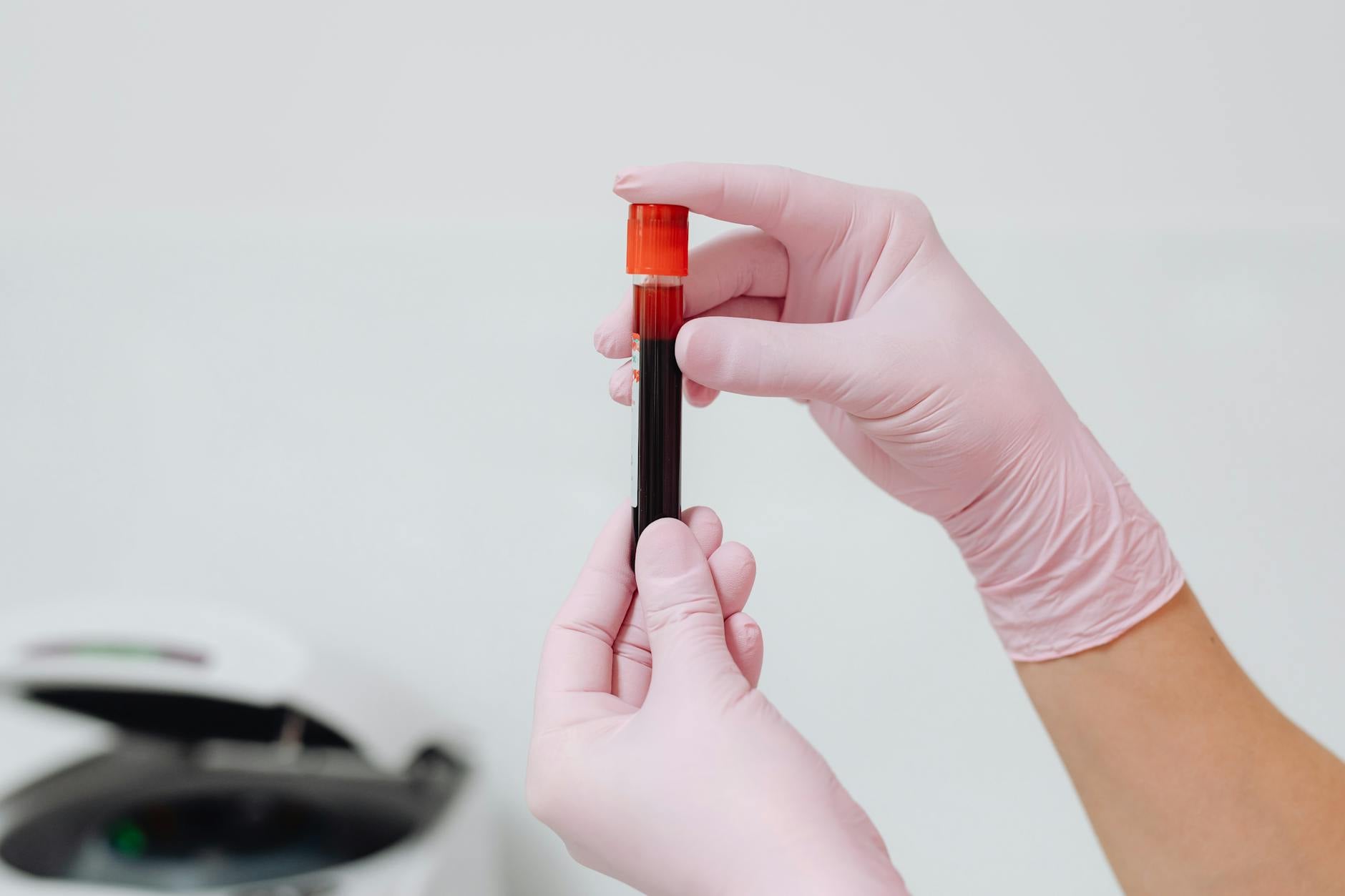
BHRT, TRT and pellets, matched to your panel.
Hormone replacement therapy in Naples for women and men, prescribed after a lab panel and supervised by our clinical team. Which route fits, if any, is decided with you.
Bioidentical hormone replacement (BHRT)
BHRT is most often used for menopausal and perimenopausal symptoms such as hot flashes, vaginal discomfort, low libido, and changes in mood and sleep.
Testosterone therapy (TRT)
Testosterone replacement therapy for patients whose panel shows low levels alongside symptoms like reduced sex drive, fatigue or loss of muscle.
Hormone pellets
Pellets are one way to deliver bioidentical hormones, alongside creams and injections. Your practitioner explains how the options differ, including their side effects, and whether any of them suits you.
What "bioidentical" means
Chemically identical to the hormones your body makes. It doesn't mean risk-free. Compounded hormone preparations don't go through the FDA's drug approval process, and your practitioner tells you which form you'd get and where it comes from before you decide.
For women and for men.
Symptoms alone don't make a diagnosis. Low testosterone is confirmed with blood tests, usually repeated on more than one morning, and menopause care starts with your history and your panel. Some medical histories rule hormone therapy out, and your practitioner goes through yours first.
Symptoms of perimenopause and menopause
- Symptoms women describe
- Hot flashes and night sweats, vaginal dryness or discomfort, sleep that doesn't refresh, mood changes, brain fog and a lower sex drive.
- Often considered for
- Hot flashes, sleep changes, low libido and mood changes, when your panel supports it.
- Options discussed
- BHRT, delivered by cream, injection or pellet. More on our menopause treatment page.
Symptoms of low testosterone in men
- Symptoms men describe
- A lower sex drive, changes in erections, tiredness, losing muscle or gaining body fat, low mood and trouble concentrating.
- Often considered for
- Reduced sex drive, fatigue or loss of muscle, with low testosterone on your panel.
- Options discussed
- Testosterone therapy (TRT). More on our testosterone replacement therapy page.
Creams, injections and pellets.
The same hormone can be given in different ways, and the route changes how often you dose, how steady your levels are and what the side effects look like. Your practitioner explains each one before you choose.
Creams
Applied to the skin each day. Easy to adjust, and one of the routes most often used for estrogen and progesterone. Skin contact with partners and children needs care, and your practitioner tells you how.
Injections
The most common way testosterone is given. Injections are spaced out on a schedule your practitioner sets, and your levels are checked on that schedule too.
Hormone pellets in Naples
Small pellets placed under the skin in a short in-office procedure, releasing hormone slowly over the following months. Once a pellet is in, the dose can't be lowered until it wears off, which is why your panel and history come first.
Approved bioidentical options
- What it is
- Some bioidentical hormones, including certain estradiol, progesterone and testosterone products, are made by manufacturers and approved by the FDA for specific uses.
- FDA review
- Reviewed by the FDA for safety, effectiveness and consistent strength in the uses they're approved for.
Custom-compounded hormones
- What it is
- Prepared for an individual prescription by a licensed compounding pharmacy, often as creams or pellets.
- FDA review
- Compounded hormone preparations aren't FDA-approved, and the FDA doesn't review them for safety or effectiveness before they're dispensed.
- What we do
- Your practitioner tells you which form you'd get, and where it comes from, before you decide.
Who should wait, and how we follow up.
Hormone therapy is a prescription medicine with real risks for some people. These are the conversations we have before anything's prescribed, and after.
Who shouldn't take hormone therapy
Hormone therapy may not be suitable if you have, or have had:
- Breast, uterine or prostate cancer
- A blood clot, stroke or heart attack
- Liver disease, or vaginal bleeding that hasn't been explained
- Untreated sleep apnea or a high red blood cell count (for testosterone)
Your practitioner goes through your full history, and the medicines you take, before deciding with you.
Testosterone and fertility
Testosterone therapy can lower sperm production. If you're hoping to have children, now or later, tell your practitioner before you start, so you can talk through what that means for you.
How monitoring works
After you start, your levels are retested and your symptoms and side effects reviewed, then checked again at regular intervals while you're on therapy. Testosterone patients have their blood count checked too. Your dose is adjusted from those results, not guessed.
Private by default
Low libido, menopause and erections aren't easy things to raise. Your consultation is one-to-one with your practitioner, and what you tell us stays in your medical record.
No surprises, start to finish.
Nothing's prescribed before your practitioner has read your results with you.
- 1
Your free consultation
We go through your symptoms, your history and anything you're already taking, then agree which panel actually answers the question.
- 2
Testing, then your results
Blood is drawn and the panel is run. Your practitioner walks you through what the numbers say and what the options are, including the option not to treat.
- 3
Ongoing supervision
Hormone therapy isn't a prescription you collect and forget. We follow up, retest, adjust and manage side effects with you.
The people you'll actually see.
Every visit is with a member of our medical team. Not a rotating roster, not a chart number.
Medical direction by Victor Cruz, MD, our Medical Director. Hormone therapy is physician-supervised.
Meet the whole team- Victor Cruz, MDMedical Director
- Alexandra Moon, APRNAdvanced Practice Registered Nurse
- Robert Hall, APRNAdvanced Practice Registered Nurse
Our Naples care teamThe faces who'll welcome you and look after you on 1st Ave N.




Testosterone replacement therapy in Naples, FL
Testosterone replacement therapy in Naples, FL starts at our 1st Ave N practice with a lab panel, not a prescription. If your panel shows low testosterone alongside symptoms, your practitioner talks you through whether TRT makes sense, and every program is supervised by our medical director.
Testosterone replacement treatment in Naples, FL
Testosterone replacement treatment in Naples, FL follows the same three steps for everyone: a free consultation, a lab panel read with you, then a decision you make together. That decision can be not to treat.
Testosterone optimization therapy in Naples, FL
Testosterone optimization therapy in Naples, FL is another name you'll see for TRT. Here it means the same careful process: your levels are measured first, and nothing's prescribed until your practitioner has read your results with you.
Hormone replacement therapy in Naples, FL
Hormone replacement therapy in Naples, FL is for women and men whose panel shows low hormone levels alongside symptoms. We offer BHRT, TRT and pellets, and your practitioner goes through the side effects of each before you choose.
Bioidentical hormone therapy in Naples
Bioidentical hormone therapy in Naples is most often used for perimenopause and menopause symptoms. Bioidentical means chemically identical to the hormones your body makes. It doesn't mean risk-free, and your practitioner tells you which form you'd get before you decide.
What is hormone replacement therapy?
Hormone replacement therapy (HRT) supplements hormones such as estrogen, progesterone or testosterone when a lab panel shows low levels alongside symptoms. Here it's prescribed only after your practitioner has read your panel with you, and it's supervised by our medical director.
Do I need labs before starting hormone therapy?
Yes. Hormone therapy here is prescribed after a lab panel, and nothing is prescribed before your practitioner has read the results with you.
What's the difference between BHRT and TRT?
BHRT uses bioidentical hormones and is most often used for perimenopause and menopause symptoms. TRT is testosterone replacement therapy, for patients whose panel shows low testosterone alongside symptoms. Both are prescribed only after your panel has been read with you.
Do you offer hormone pellets?
Yes. Pellets are one of the ways we can deliver bioidentical hormones, alongside creams and injections. Whether any of them suits you is decided after your panel, and your practitioner goes through the side effects with you first.
Are bioidentical hormones safer?
Bioidentical means chemically identical to the hormones your body makes. It doesn't mean risk-free, and all hormone therapy has possible side effects. Your practitioner tells you which form you'd get and goes through its risks with you before you start.
Do I have to be on hormones for life?
That's a conversation for your practitioner, and the honest answer depends on why your levels are where they are. It isn't a decision made on day one.
Is this the same as what my primary care doctor offers?
Sometimes. What differs here is that the panel, the reading of it and the follow-up all sit with the same practitioner, and appointments aren't five minutes long.
Are there side effects?
All hormone therapy has possible side effects. Your practitioner goes through them in full before you start. That conversation is part of the consultation, not an afterthought.
What is testosterone replacement therapy (TRT)?
Testosterone replacement therapy (TRT) is a prescription treatment for men whose blood tests confirm low testosterone alongside symptoms such as a lower sex drive, tiredness or loss of muscle. It's most often given as injections or creams, and it's monitored with follow-up blood tests.
What is hormone replacement therapy for women?
For women, hormone replacement therapy usually means estrogen, often with progesterone, to ease perimenopause and menopause symptoms such as hot flashes, night sweats and vaginal dryness. Whether it suits you depends on your age, your history and your symptoms, and your practitioner goes through the risks with you.
Do you treat menopause symptoms in Naples?
Yes. Menopause care at our downtown Naples practice starts with a conversation about your symptoms and history, then a lab panel. If hormone therapy is appropriate, your practitioner explains the options, including bioidentical hormones, and their side effects before you decide.
Who shouldn't take hormone therapy?
Hormone therapy may not be suitable if you've had breast, uterine or prostate cancer, a blood clot, stroke or heart attack, liver disease or unexplained vaginal bleeding. For testosterone, untreated sleep apnea and a high red blood cell count matter too. Your practitioner reviews your full history first.
Will testosterone therapy affect my fertility?
It can. Testosterone therapy can lower sperm production. If you'd like to have children, now or later, tell your practitioner before starting so you can talk through what that means for you.
Can I start hormone therapy on the same day?
Not usually. Hormone therapy here starts after your lab panel, and nothing's prescribed until your practitioner has read the results with you. Your first visit is the consultation and, if you agree, the blood draw.
How often will I need to come in?
More often at the start, while your levels are retested and your dose is set, then at regular intervals while you're on therapy. Your practitioner gives you the schedule for your plan.
Do I need a referral?
No. You can book a consultation directly online or by calling (239) 360-6253. If you have recent lab results from another doctor, bring them along.
How much does hormone replacement therapy cost in Naples?
It depends on the panel and the program you and your practitioner agree on. The consultation is free, and you get a price before you commit.
Where are you in Naples?
We're in downtown Naples at 848 1st Ave N, Suite #100, Naples, FL 34102. We're open 7 days a week, 8am to 8pm, and appointments are bookable online or by phone from 9am to 5pm every day.
 Start here
Start with a free consultation.
No pressure and no commitment. We talk through how you've been feeling, which panel makes sense and what it costs. You decide from there.
THE PATIENT AND ANY OTHER PERSON RESPONSIBLE FOR PAYMENT HAS A RIGHT TO REFUSE TO PAY, CANCEL PAYMENT, OR BE REIMBURSED FOR PAYMENT FOR ANY OTHER SERVICE, EXAMINATION, OR TREATMENT THAT IS PERFORMED AS A RESULT OF AND WITHIN 72 HOURS OF RESPONDING TO THE ADVERTISEMENT FOR THE FREE, DISCOUNTED FEE, OR REDUCED FEE SERVICE, EXAMINATION, OR TREATMENT.
Not ready to pick a time?
Leave your details and we'll reach out with answers first. No booking required.